

Morse & Jacobs Taper Adapters: Technical Reference and Selection Guide
Posted by RMT on Sep 25th 2026
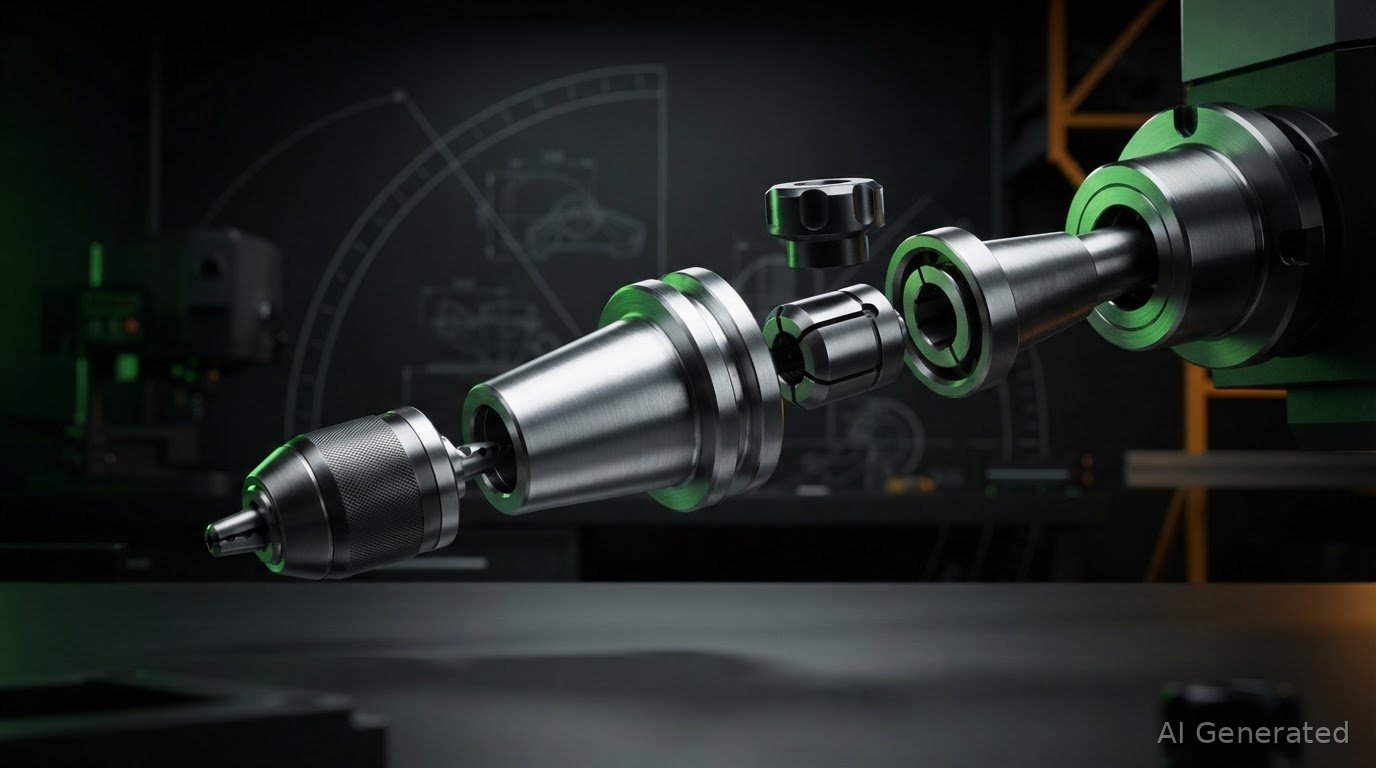
A precision spindle can’t rescue a mismatched adapter. If a drill chuck slips under torque or runs off-center, the problem may be the connection between the machine and the tool. Choosing the right morse & jacobs taper adapters starts with one clear question: which Morse Taper (MT) size fits the spindle, and which Jacobs Taper (JT) size fits the chuck?
MT and JT are separate sizing systems, and a close-looking fit isn’t enough for secure tool holding or controlled runout. This guide explains how to identify the exact MT-to-JT combination, check compatibility, and assess the fit before installation. You’ll also learn which specifications to verify when slippage and workpiece damage are concerns. Ridiculous Machine Tools sells Morse & Jacobs taper adapters alongside other machining components and accessories. Use the checks below to identify the adapter your setup requires and compare the relevant product details before selecting one.
Key Takeaways
- Identify the machine-side Morse Taper (MT) and chuck-side Jacobs Taper (JT) sizes before selecting an adapter. Similar-looking tapers are not interchangeable.
- Use the MT and JT designations to narrow down the correct morse & jacobs taper adapters for your setup.
- Check material, hardness, and fit specifications against the demands of your operation rather than relying on appearance alone.
- Prioritize clean taper contact and concentricity to help reduce runout and prevent tool slippage during machining.
- When comparing adapters, verify the specific MT-to-JT combination and the product details for that part.
Morse Taper (MT) and Jacobs Taper (JT) Fundamentals
Morse Tapers and Jacobs Tapers perform different jobs in a toolholding connection. An MT socket commonly holds tooling in a machine spindle or lathe tailstock. A JT interface mounts a drill chuck to an arbor. A taper adapter bridges these interfaces, connecting the machine-side taper to the tool-side taper. Match both ends to their mating components: MT and JT sizes are separate systems, not interchangeable labels.
Both designs rely on contact between matching tapered surfaces. For a foundational overview of taper types and how self-holding tapers work, see Machine Taper Fundamentals. Morse tapers follow a consistent taper standard, while Jacobs taper geometry varies by size. That difference makes exact identification important when selecting morse & jacobs taper adapters. Start by identifying the spindle socket and chuck separately, then record each taper designation before comparing adapters.
The Geometry of Self-Holding Tapers
A self-holding taper acts like a shallow wedge. As the male taper seats in its matching socket, contact pressure and friction resist movement and transmit torque. Morse tapers are suited to axial-force operations, such as drilling from a lathe tailstock, because the working load pushes the taper into its seat. They still depend on proper fit and use. A taper connection isn’t a substitute for the correct tool or operating setup.
Keep mating surfaces clean and free of chips, oil, and damage. Debris can prevent full contact, while scoring or wear can compromise seating and contribute to runout or slipping. Before assembly, check that both surfaces are clean, dry, and free of visible burrs. If a component rocks or stops short of seating, don’t force it. Inspect the surfaces and reconfirm the taper sizes instead.
Common Industrial Applications
In a lathe, an MT adapter in the tailstock can hold a compatible drill or other tapered tool for axial feed into the workpiece. On a drill press, an MT-to-JT arbor connects the spindle’s Morse socket to a Jacobs-taper drill chuck. The adapter must match the spindle’s MT size at one end and the chuck’s JT size at the other. Check the markings or documentation for both components rather than relying on visual similarity.
Before installation, inspect both taper surfaces and confirm they seat fully without rocking. This basic check helps protect concentricity and reduce the risk of tool spin during operation. For a broader look at choosing compatible holders and interfaces, review this guide to tool holding solutions. The adapter is only one part of the tool path, but a poor match can compromise the accuracy of the setup.
Morse Taper Sizes and Technical Specifications
Correct MT sizing starts with the spindle, not the tool you plan to install. The Morse Taper series runs from MT0 through MT7, while MT1 through MT4 are commonly found on standard shop equipment. A size label identifies a specific taper geometry, so don’t select an adapter based on approximate diameter or a visual match. Use the machine documentation, markings, or a suitable taper gauge to confirm the spindle size. The ANSI/ASME B5.10 Machine Taper Standard is a reference for machine-taper specifications.
Most Morse tapers have a taper of approximately 5/8 inch per foot. That shallow angle supports self-holding contact, but it doesn’t make different MT sizes interchangeable. The size, contact condition, and alignment must all match. A clean, undamaged taper can seat more consistently; actual performance also depends on the condition of the spindle and the adapter.
Measuring Your Spindle for MT Compatibility
Start by cleaning the spindle socket. Measure the diameter at the large end of the internal taper with suitable measuring equipment, then compare the result with the machine’s documentation or a taper-size reference. The mouth diameter alone may not confirm a size if the socket is worn or measurement access is limited. Check for burrs, scoring, corrosion, and embedded chips. Don’t seat a new adapter in a damaged or burred spindle, because a defect can prevent full contact and compromise fit.
When measurement and documentation don’t agree, pause before ordering. Recheck the measurement method and whether the component is an internal or external taper. A reliable identification uses the part marking or machine documentation where possible, with measurement as a check rather than a guess based on diameter alone.
Runout, Hardness, and Tolerance
Total indicated runout (TIR) describes the measured variation as a mounted tool rotates. Excessive runout can make a tool cut off-center, affect hole accuracy, and concentrate wear on cutting edges. Don’t treat a tolerance figure as an adapter-only guarantee: spindle condition, cleanliness, seating, and measurement method all influence the result. Confirm the documented runout specification for the exact adapter rather than assuming an unverified value.
Material and heat treatment matter, too. Surface hardening can improve resistance to wear, while a properly supported tang is less vulnerable to deformation during handling and use. These properties depend on the product’s construction, so check the published material and hardness specifications instead of inferring them from appearance. For applications that need a rigid tool interface, compare the setup with end mill holder selection and tolerances.
Ridiculous Machine Tools sells Morse & Jacobs taper adapters. Before choosing one, compare the product details with the spindle’s MT size, the chuck’s JT size, and any runout or construction requirements for the operation. Review the Morse & Jacobs taper adapter options and confirm the required MT-to-JT combination before selecting an adapter.
Jacobs Taper Standards for Drill Chuck Mounting
A Jacobs Taper (JT) connects a drill chuck to its arbor. Compared with a Morse Taper, a JT is shorter and steeper, and its angle varies by size. This compact interface seats the chuck on the arbor, while the chuck’s jaws grip the drill bit. The taper connection must match at both mating surfaces. A chuck’s capacity alone doesn’t confirm that its JT fits the arbor.
Common designations include JT0, JT1, JT2, JT3, JT6, and JT33. These labels identify different geometries, not interchangeable size options. That distinction matters when choosing morse & jacobs taper adapters: the arbor’s JT end must match the chuck, and its MT end must match the machine spindle. Write down both designations before comparing product options so you can check each end independently.
Match the JT Size and Check the Tang
Look for the JT designation stamped on the back of the chuck, then confirm it against the manufacturer’s documentation if the marking is worn or unclear. Pay close attention to JT3 versus JT33. The similar labels can lead to a wrong selection, but they refer to different taper sizes. Don’t order based on chuck capacity or appearance alone.
On an MT-JT arbor, the Jacobs taper seats the chuck and the Morse end fits the spindle. If the Morse end has a tang, it must suit the spindle socket and its drive or ejection arrangement. The tang isn’t a substitute for correct taper contact. Verify the arbor configuration against the machine’s documentation before installation.
Install for Reliable Taper Contact
Clean both mating tapers before assembly. Use a lint-free cloth and a residue-free solvent compatible with the components, then allow the surfaces to dry fully. Oil, chips, and cleaning residue can interfere with contact. Handle the arbor and chuck carefully. Don’t strike precision-ground surfaces or force a connection that won’t seat naturally.
Seat the chuck using the method specified by its manufacturer. A secure fit should feel stable, without rocking or visible misalignment. Stop if the parts fail to seat, wobble, or show uneven contact. Those signs can point to contamination, damage, or a mismatched taper. Disassemble and inspect rather than trying to compensate with extra force.
Adapter longevity also depends on material and heat treatment. Surface hardening can help resist wear, but don’t assume a specific hardness or treatment from appearance. Check the supplier’s documented construction details when comparing options. Ridiculous Machine Tools offers Morse & Jacobs taper adapters; verify the exact MT-to-JT combination and product specifications for your setup.

Selection Criteria for High-Performance Adapters
Choose an adapter by its full specification, not by appearance alone. Match the MT and JT interfaces to the machine and chuck, then evaluate material, heat treatment, surface finish, runout, and balance requirements for the operation. Alloy steel and case-hardened spring steel describe different material or treatment approaches. Neither label alone proves that an adapter will suit a particular load. Check the supplier’s documented material and heat-treatment details for the specific part.
Hardness figures need the same scrutiny. A target such as 58–62 HRC should be treated as a specification to verify, not a universal benchmark for every taper adapter. Confirm which component the figure applies to and whether it is supported by product documentation. A hard surface may resist wear, but hardness alone doesn’t establish taper accuracy, toughness, or service life.
Evaluate TIR, Concentricity, and Balance
Total Indicator Runout (TIR) is the total variation shown by an indicator as a mounted surface or tool rotates. At a taper interface, excessive runout can shift the tool’s rotation off-center, contributing to vibration, uneven cutting, and reduced tool life. Measure the assembled setup using an appropriate method, and interpret the result in context: spindle condition, cleanliness, seating, and the mounted tool can all affect the reading.
Matching taper sizes and clean contact support consistent seating, but they can’t correct a damaged spindle or mismatched taper. Check the runout specification for the adapter being considered and distinguish it from a measurement of the assembled setup. For high-RPM drilling, also verify whether the assembly is dynamically balanced and what balancing documentation or rating applies. Don’t assume that a close-fitting taper is automatically balanced for a given speed.
Assess Durability for the Application
Heat treatment and surface hardening can help resist wear at working surfaces. The right treatment must be balanced with the material and intended use; don’t infer performance from a hardness number alone. A damaged or distorted tang can also compromise drive or removal, so inspect its condition and confirm the adapter’s configuration fits the machine. For demanding work, verify the manufacturer’s stated limits and construction details rather than relying on generic claims.
Compare specifications, not broad labels such as “industrial grade.” Ridiculous Machine Tools sells morse & jacobs taper adapters. Review the product details and explore Morse & Jacobs taper adapters to identify an option that matches your setup.
RMT Taper Solutions for Modern Machine Shops
Adapter selection is a specification decision, not a guess based on appearance. Ridiculous Machine Tools offers Morse & Jacobs taper adapters as part of its range of machining components and equipment. To narrow down the right option, identify the machine-side Morse Taper (MT), identify the chuck-side Jacobs Taper (JT), then compare the exact combination and relevant product details.
Use a simple compatibility check before selecting an adapter: record the spindle’s MT designation, record the chuck’s JT designation, and verify that the product listing specifies both. If either marking is unclear, consult the machine or chuck documentation before ordering. This prevents a common mistake: choosing an adapter that matches one end but not the other.
The RMT Advantage in Tool Holding
When comparing products, focus on details you can evaluate. Check the dimensional match, fit, and any runout, material, or construction information provided for the specific adapter. A general description such as “precision” isn’t a substitute for confirming the MT-to-JT combination and the specifications relevant to your application.
That keeps the decision focused on the connection itself. Confirm both taper sizes, inspect mating surfaces, and review the specifications that apply to your operation. If your setup has particular speed, balance, or retention requirements, check those against the machine documentation and the adapter details before installation.
Choose the Adapter for Your Setup
Before purchasing, have the machine spindle size and drill chuck JT designation on hand. If a size marking is unreadable, consult the machine or chuck documentation rather than estimating from appearance. Then compare the required combination with the product details. This simple check helps avoid ordering an adapter that fits one side but not the other.
Ridiculous Machine Tools offers morse & jacobs taper adapters for machine and chuck setups requiring these interfaces. Compare the listed MT-to-JT combination and product specifications with your equipment and application. The right choice is the one that matches the equipment and has details you can verify.
Browse RMT Morse & Jacobs Taper Adapters and confirm the required MT-to-JT combination before selecting an option.
Choose the Right Adapter for Your Next Setup
Reliable tool holding starts with an exact fit. Confirm the machine-side Morse Taper and chuck-side Jacobs Taper before ordering, then inspect both mating surfaces and verify the adapter’s specifications. A correct MT-to-JT match and clean seating help protect concentricity and reduce the risk of tool slippage.
Use the adapter’s documented specifications alongside the size combination and application requirements when comparing options. Runout is affected by the assembled setup, including the spindle, cleanliness, seating, and measurement method, so don’t assume a reading for the adapter alone describes the whole system.
Don’t leave the connection between spindle and tool to guesswork. Shop Morse & Jacobs taper adapters at Ridiculous Machine Tools, and confirm the MT and JT sizes your setup requires. With the right adapter and a careful fit check, you can move forward with greater confidence in your toolholding setup.
Frequently Asked Questions
What is the difference between a Morse Taper and a Jacobs Taper?
A Morse Taper (MT) commonly fits machine spindles and tailstocks, while a Jacobs Taper (JT) commonly mounts a drill chuck to an arbor. Both use tapered contact to hold components, but their sizes and geometries differ. Jacobs taper angles vary by size, so an MT and JT designation cannot be treated as equivalent. An adapter connects the two only when each end matches its mating component.
How do I determine which Morse Taper size my lathe tailstock uses?
Check the lathe documentation or markings first. If the size isn’t identified, clean the tailstock socket and measure the large-end diameter with suitable measuring equipment, then compare the measurement with a reliable MT reference. A mouth-diameter measurement alone may not be conclusive if the socket is worn or damaged. Inspect for burrs, scoring, or chips, which can prevent a new adapter from seating correctly.
Can I use a Morse Taper adapter in a CNC machine?
Yes, if the adapter matches the machine’s spindle interface and the application’s operating requirements. Confirm the complete connection, including the CNC spindle holder, adapter, and tool, rather than assuming an MT adapter fits directly. Also verify any speed, balance, retention, and runout requirements for the machine and operation. Spindle systems such as CAT, BT, and HSK are distinct interfaces and aren’t interchangeable just because they appear similar.
Why is my drill chuck slipping off the Jacobs Taper arbor?
A chuck can slip if the JT surfaces are dirty, oily, damaged, or mismatched. Remove the chuck and inspect both tapers for chips, residue, scoring, or uneven contact. Confirm the JT size from the chuck marking or documentation, taking care not to confuse similar designations such as JT3 and JT33. Clean and dry the mating surfaces, then reinstall the chuck using the manufacturer’s seating method. Don’t compensate for a poor fit by striking precision surfaces.
What does TIR mean for a taper adapter and why does it matter?
TIR means Total Indicator Runout. It’s the total variation shown by an indicator as the mounted adapter or tool rotates. Excessive runout can make a tool rotate off-center, contributing to vibration, inaccurate holes, and uneven cutting-edge wear. The reading reflects the assembled setup, not just the adapter: spindle condition, cleanliness, seating, and the measuring method all affect the result. Check the product’s documented specification and measure consistently.
Do I need to lubricate a taper before installation?
Don’t apply lubricant by default. Self-holding tapers depend on friction between clean, matching surfaces, and oil can interfere with secure contact. Follow the machine, chuck, or adapter manufacturer’s instructions if they specify a particular preparation method. Before assembly, remove chips and residue with a lint-free cloth and a compatible cleaner, then let the surfaces dry. Inspect the taper for damage and confirm it seats fully without rocking.
How do I remove a stuck Morse Taper adapter from a spindle?
Follow the machine manufacturer’s removal procedure and use the spindle’s intended ejection mechanism, if fitted. Secure the machine against unintended movement and support the tool or adapter as it releases. Some setups use a drift, but only use one if the machine instructions specify the correct method and tool. Don’t strike the adapter directly or pry against precision surfaces. If it won’t release normally, stop and consult the machine documentation.
What hardness rating should I look for in a professional taper adapter?
There isn’t one universal hardness rating that establishes an adapter’s quality or suitability. The appropriate value depends on the material, heat treatment, and component being specified. Treat a figure such as 58–62 HRC as a claim to verify, not a default requirement for every adapter. Ask the supplier what part the rating applies to and review its supporting specifications. Also assess taper fit, surface finish, and runout for your application.